
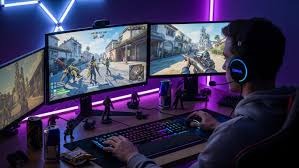
Online slot has evolved far beyond a simple hobby. It has grown into a global phenomenon that combines technology, social interaction, creativity, and competition. Millions of players around the world log in daily to explore vast digital landscapes, collaborate with teammates, or compete in high-stakes tournaments. More than just entertainment, online gaming has become a platform for community-building, professional growth, and cultural influence.
This article explores the evolution of online gaming, its social and economic impact, the technology behind it, and the trends shaping its future.
The Rise of Online Gaming
In its earliest form, gaming was primarily a solitary activity or limited to local multiplayer. The advent of the internet enabled games to connect players across cities, countries, and continents, creating persistent, immersive worlds.
Massively multiplayer online games (MMOs) like Final Fantasy XIV allow thousands of players to inhabit the same world, undertake quests, trade resources, and participate in large-scale events. Sandbox games such as Roblox let users design and share content, fostering creativity and engagement.
These experiences transformed gaming into a constantly evolving ecosystem rather than a static form of entertainment.
Building Social Connections
Online gaming thrives on its social dimension, creating opportunities for collaboration, communication, and community-building.
Friendships Across the Globe
Games like Phasmophobia emphasize teamwork and strategy, encouraging players to coordinate and cooperate. Many players develop lasting friendships and bonds through these shared experiences.
Community Engagement
Forums, Discord servers, and social media groups enhance the social aspect of gaming. Players share strategies, showcase achievements, and participate in events, creating a sense of belonging and a supportive environment.
Competitive Gaming and Esports
Online gaming has grown into a thriving professional industry. Competitive titles like Valorant and League of Legends host global tournaments that attract millions of viewers and offer significant prize pools.
Streaming platforms such as Twitch and YouTube allow fans to watch matches live, engage with content creators, and participate in global gaming communities. Professional players, commentators, and analysts have turned competitive gaming into a full-fledged career.
Technology Powering Online Gaming
Modern online games rely on advanced technology to provide smooth, immersive, and fair experiences.
Dedicated Servers and Low Latency
High-performance servers ensure real-time synchronization, low latency, and fair competition.
Cloud Gaming
Cloud-based platforms allow players to stream high-quality games without advanced hardware, broadening accessibility.
Artificial Intelligence
AI supports matchmaking, moderates player behavior, and controls NPCs, creating balanced and engaging gameplay.
Cross-Platform Play
Cross-play functionality allows PC, console, and mobile players to compete together, expanding communities and maintaining engagement.
Economic and Cultural Impact
Online gaming has become a major economic force. Revenue streams include in-game purchases, battle passes, subscriptions, esports sponsorships, and streaming monetization.
Games like Fortnite demonstrate how free-to-play models with optional purchases can generate billions while sustaining large, active player bases.
Culturally, online gaming has influenced music, fashion, and entertainment. Virtual concerts, live events, and in-game brand collaborations illustrate gaming’s role in shaping contemporary culture.
Cognitive and Social Benefits
Online gaming provides valuable skills:
Enhances strategic thinking and problem-solving
Improves communication and teamwork
Builds adaptability and decision-making
Encourages leadership and coordination
Team-based gameplay nurtures collaboration and life skills applicable beyond the digital world.
Challenges and Responsible Gaming
Despite its benefits, online gaming comes with challenges:
Managing screen time
Reducing online toxicity
Protecting privacy and cybersecurity
Ensuring age-appropriate content
Developers address these issues with moderation tools, reporting systems, and parental controls. Responsible gaming habits are essential for a healthy gaming experience.
The Future of Online Gaming
The next phase of online gaming promises deeper immersion, broader accessibility, and more interconnected experiences:
Virtual and Augmented Reality
VR and AR will allow players to physically interact with digital worlds, creating more immersive experiences.
AI-Driven Personalization
Advanced AI will create adaptive gameplay, dynamic storylines, and personalized experiences for each player.
Improved Global Connectivity
High-speed networks and 5G infrastructure will reduce latency and improve real-time multiplayer performance.
Integrated Digital Ecosystems
Games will increasingly merge with social media, e-commerce, and entertainment platforms, creating interconnected virtual spaces.
Conclusion
Online slot demo has evolved into a complex, global entertainment platform that blends creativity, competition, and community. From collaborative worlds to competitive esports, it continues to redefine digital interaction and culture.
As technology advances, online gaming will become even more immersive, socially connected, and accessible, offering endless opportunities for engagement, collaboration, and digital innovation.

Piper McMillan is a devoted writer and Bible enthusiast, offering insightful guides on Bible verses. Her blog provides practical interpretations and reflections, helping readers deepen their faith and understanding of Scripture through accessible and inspiring content.